Modern Fusing Machines for the Textile and Clothing Industry and Their Key Features
The textile and clothing industry is continuously adopting advanced technologies to improve production efficiency, garment quality, and overall productivity. Among the essential machines used in modern garment manufacturing, fusing machines for the textile and clothing industry play a vital role. These machines help bond interlining materials with fabrics using controlled heat, pressure, and time, creating strong and consistent results.
Modern fusing machines are designed to meet the requirements of high-volume garment production while providing accurate temperature control, uniform pressure, and reliable performance. Lunex Machine offers advanced industrial solutions designed to support garment manufacturers in achieving efficient and professional fabric fusing results.
What Is a Fusing Machine?
A fusing machine is an industrial garment manufacturing machine used to attach interlining or other bonding materials to fabric. The process involves applying controlled heat and pressure for a specific amount of time. This creates a durable bond between the fabric and interlining.
Fusing is commonly used in shirts, trousers, jackets, uniforms, coats, collars, cuffs, waistbands, and other garments. A properly fused garment can achieve better shape, structure, stability, and finishing.

Importance of Modern Fusing Machines
Traditional fusing methods can require more manual effort and may produce inconsistent results. Modern fusing machines automate important parts of the fusing process, helping manufacturers maintain consistent production quality.
For textile and garment manufacturers, advanced fusing equipment can provide:
- Consistent bonding quality
- Accurate temperature control
- Uniform pressure distribution
- Faster production
- Reduced material wastage
- Improved garment appearance
- Better production efficiency
- Easier operation and monitoring
These advantages make modern fusing machines an important part of professional garment production lines.
Key Features of Modern Fusing Machines
1. Precise Temperature Control
Temperature is one of the most important factors in the fusing process. Modern machines feature accurate temperature control systems that help operators maintain the required heat level during production.
Proper temperature management helps achieve reliable bonding while reducing the risk of fabric damage or insufficient adhesion.
2. Adjustable Pressure
Different fabrics and interlining materials may require different pressure levels. Modern fusing machines provide adjustable pressure settings, allowing manufacturers to customize the process according to material requirements.
Consistent pressure also helps ensure uniform bonding across the fabric surface.
3. Controlled Fusing Time
The amount of time that fabric remains under heat and pressure can directly affect bonding quality. Advanced machines allow operators to control processing time according to production requirements.
This feature supports repeatable results across multiple garments and production batches.
4. Uniform Heat Distribution
Uniform heat distribution is essential for achieving consistent fusing. Modern equipment is engineered to distribute heat evenly across the working area, helping minimize areas with weak or incomplete bonding.
This is particularly useful for manufacturers handling large production volumes.
5. Conveyor-Based Operation
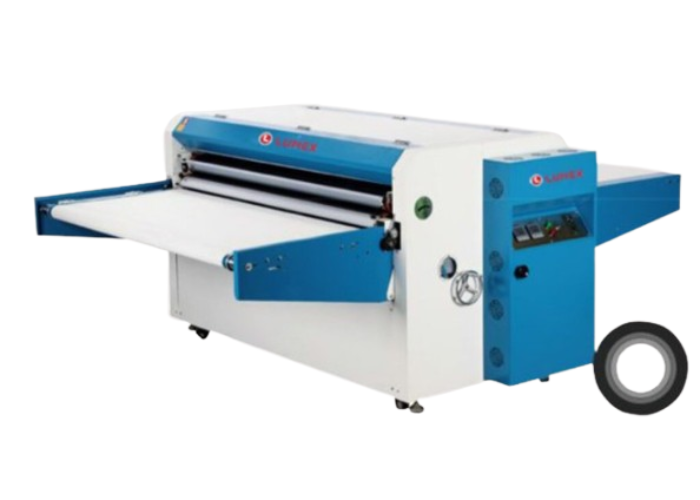
Many industrial fusing machines use conveyor systems to move materials smoothly through the heating and pressing sections. Conveyor-based operation supports continuous production and reduces unnecessary handling.
It can also help improve workflow efficiency in busy garment manufacturing environments.
6. Digital Control Systems
Modern fusing machines often include user-friendly digital control panels. Operators can monitor and adjust important parameters such as temperature, speed, and processing settings.
Digital controls make machine operation more convenient and help manufacturers maintain consistent production parameters.
7. Energy-Efficient Performance
Energy efficiency is increasingly important for modern textile manufacturers. Advanced fusing machines are designed to optimize heating and operational performance, helping businesses manage energy consumption during continuous production.
Efficient operation can contribute to lower operating costs while supporting sustainable manufacturing practices.
8. Strong and Durable Construction
Industrial garment machinery must withstand continuous use. Modern fusing machines are built with robust components and industrial-grade construction to support demanding production environments.
Durable equipment can help reduce downtime and provide dependable performance over extended operating periods.
Applications of Fusing Machines in the Garment Industry
Fusing machines for the textile and clothing industry are used across many garment manufacturing applications. They are suitable for bonding interlining to collars, cuffs, waistbands, front panels, pockets, jackets, coats, uniforms, and other garment components.
They can be used with different types of fabrics and interlining materials depending on machine specifications and production requirements. Their versatility makes them valuable for apparel factories, garment exporters, textile manufacturers, and professional clothing production units.
Benefits for Garment Manufacturers
Investing in a modern fusing machine can provide several operational advantages. Automated fusing helps reduce manual work and supports consistent production quality. Manufacturers can process materials more efficiently while maintaining accurate process parameters.
The improved consistency can also contribute to better garment finishing. When interlining is correctly bonded, garments can achieve improved shape retention and a more professional appearance.
Modern fusing equipment can therefore support manufacturers looking to increase productivity without compromising production standards.
Choosing the Right Fusing Machine
Selecting the right machine requires careful consideration of production requirements. Manufacturers should evaluate factors such as fabric types, interlining materials, production volume, available workspace, temperature requirements, pressure requirements, conveyor speed, control systems, and energy efficiency.
It is also important to consider machine reliability, ease of operation, maintenance requirements, and after-sales support. Choosing equipment that matches the specific production process can help maximize operational efficiency.
Why Choose Lunex Machine?
Lunex Machine provides industrial machinery solutions for modern garment and textile manufacturing requirements. The company focuses on equipment designed to support efficient production, consistent quality, and professional garment finishing.
For businesses looking for reliable fusing machines, selecting equipment with appropriate temperature control, pressure adjustment, conveyor operation, and durable construction is essential. Lunex Machine can help manufacturers identify suitable machinery according to their production needs.
Conclusion
Modern fusing machines for the textile and clothing industry have become an essential part of efficient garment manufacturing. Features such as precise temperature control, adjustable pressure, controlled processing time, uniform heat distribution, digital controls, conveyor operation, and energy-efficient performance help manufacturers achieve consistent and professional results.
As the textile and apparel industry continues to adopt advanced manufacturing technologies, investing in reliable fusing equipment can help businesses improve productivity, garment quality, and production efficiency. With its focus on industrial garment machinery, Lunex Machine offers solutions for manufacturers seeking modern equipment for their textile and clothing production requirements.


Comments
Post a Comment