Needle Detector Machine: A Smart Solution for Broken Needle Detection
In modern garment and textile manufacturing, product safety and quality control are essential for building customer trust and meeting industry standards. A Needle Detector Machine provides an effective solution for identifying broken needles and other metallic contaminants that may accidentally remain inside garments, fabrics, or finished textile products. For manufacturers handling large production volumes, automated needle detection can help strengthen quality-control procedures and reduce the risk of defective products reaching customers.
Lunex Machine offers industrial machinery solutions designed to support efficient garment and textile production. A reliable needle detection system can become an important part of a comprehensive quality-control process, particularly where broken-needle prevention and product inspection are critical.
What Is a Needle Detector Machine?
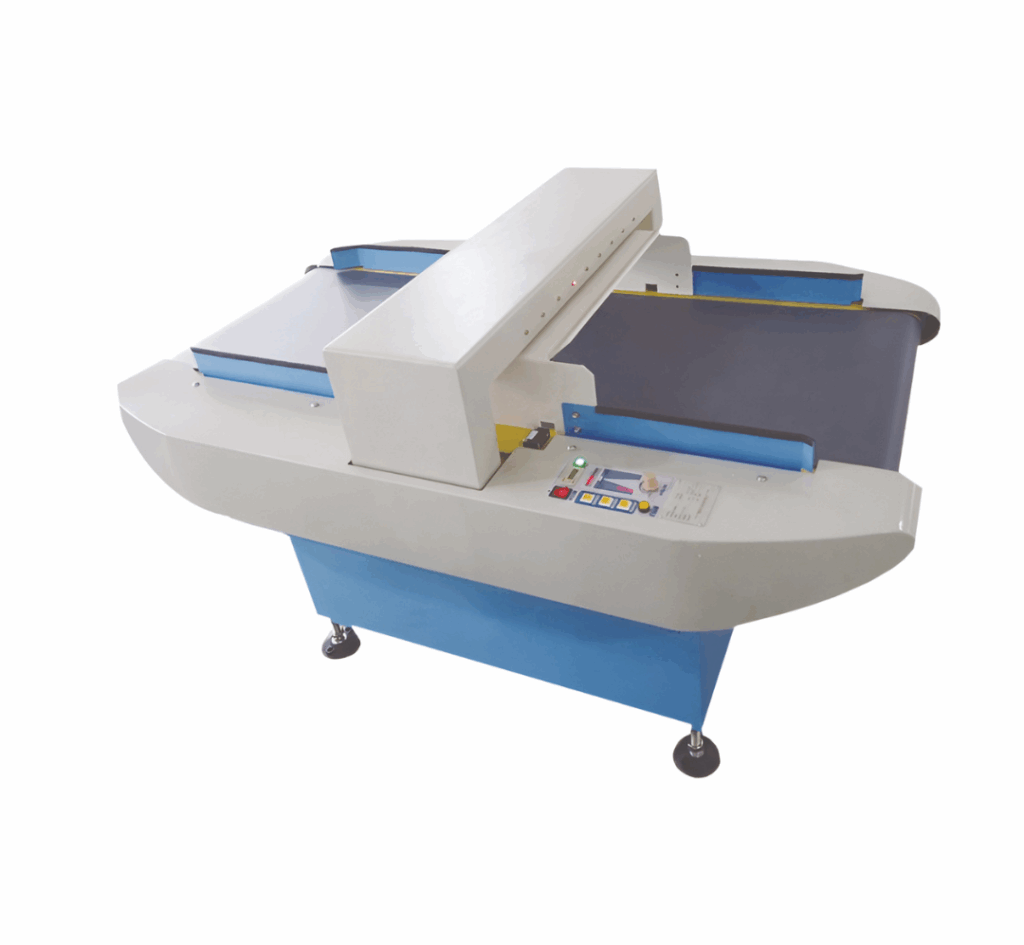
A Needle Detector Machine is an electronic inspection system designed to detect ferrous metal objects, including broken sewing needles, concealed within textile products. During manufacturing, sewing needles can occasionally break because of machine operation, fabric thickness, improper handling, or other production conditions. A small broken needle fragment may become trapped inside a garment and can create a serious product-safety concern.
The machine uses a sensitive detection system to scan products as they pass through the inspection area. When metallic contamination is detected, the system can provide an alarm or activate a stopping/rejection mechanism, depending on the machine configuration.
Why Is Broken Needle Detection Important?
Broken needle detection is an important part of garment quality control. Sewing operations involve needles moving at high speed, and occasional needle breakage can occur during production. If fragments are not properly identified and removed, they may remain hidden inside finished products.
A Garment Needle Detector Machine helps manufacturers establish a systematic inspection process. It can be particularly useful for garments, children's clothing, underwear, home textiles, accessories, and other products where consumer safety is a major consideration.
By adding automated metal detection to the production workflow, manufacturers can improve inspection consistency and support their internal quality-control procedures.
Key Benefits of a Needle Detector Machine
1. Accurate Metal Detection
Modern needle detector systems are designed to identify small ferrous metal fragments. Appropriate sensitivity settings allow manufacturers to inspect different types of textile products according to their quality-control requirements.
2. Improved Product Safety
Detecting broken needle pieces before products are packed and shipped can help reduce the possibility of metal contamination reaching customers. This is particularly important for manufacturers supplying export markets and quality-conscious buyers.
3. Consistent Inspection
Manual inspection can depend heavily on operator attention and working conditions. An automated Fabric Needle Detector Machine provides a standardized inspection stage, helping manufacturers maintain consistency across production batches.
4. Supports Quality Control
A needle detector can complement existing quality-control procedures. It can be positioned at a suitable stage of the garment manufacturing process to inspect finished products before packaging or dispatch.
5. Efficient Production Workflow
Automated inspection can process products continuously, helping manufacturers integrate safety checks into high-volume production environments without relying entirely on manual inspection.
6. Reduced Risk of Product Complaints
A structured detection process can help identify potentially contaminated products before they reach customers. This may reduce the risk associated with quality complaints, returns, and rejected shipments.
Applications of Needle Detector Machines
A Needle Detector Machine for Garments can be used across various textile and apparel applications. Common examples include:
- Shirts and trousers
- Children's garments
- Jackets and uniforms
- Innerwear and sportswear
- Bedsheets and home textiles
- Bags and textile accessories
- Export garments
- Finished fabric products
The appropriate machine configuration depends on product dimensions, material characteristics, production volume, and required detection sensitivity.
How Does a Needle Detector Machine Work?
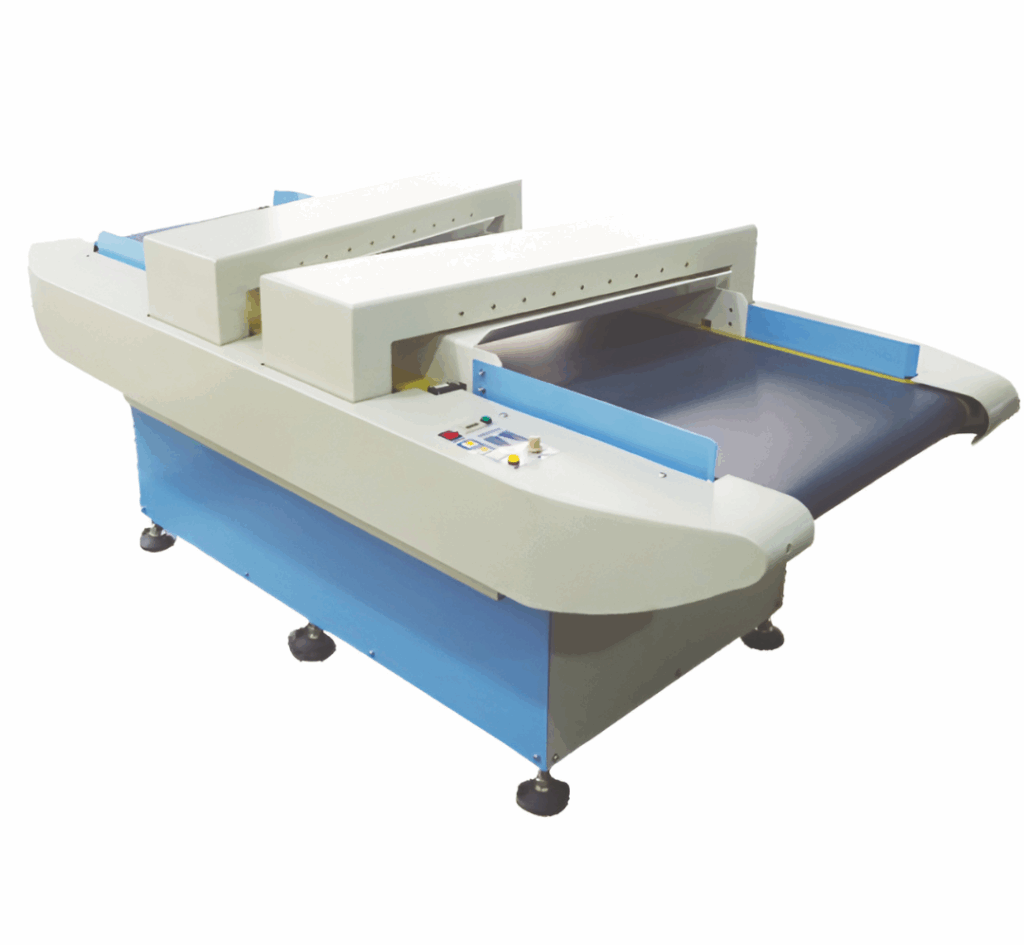
The operating principle is relatively straightforward. A garment or textile product is placed on the machine's conveyor or inspection area. As the product passes through the detection zone, the machine's electronic detection system monitors for the presence of ferrous metal.
If a metal fragment is detected above the configured sensitivity level, the machine can generate an alarm and, depending on the design, stop the conveyor or indicate the location of the suspected contamination.
The affected product can then be separated and inspected according to the manufacturer's quality-control procedure. This systematic process helps manufacturers prevent potentially unsafe products from moving further through production.
Features to Consider When Choosing a Needle Detector
Selecting the right Needle Detector Machine requires consideration of several factors. Manufacturers should evaluate detection sensitivity, conveyor dimensions, product compatibility, operating speed, control functions, and overall machine construction.
Other useful considerations include:
- Adjustable sensitivity
- Stable conveyor operation
- Clear control interface
- Reliable detection performance
- Easy product inspection
- Suitable inspection width
- Alarm or rejection functionality
- Simple maintenance requirements
Choosing equipment according to actual production requirements can help manufacturers achieve an effective balance between inspection performance and operational efficiency.
Needle Detector Machine for Export Garment Manufacturing
Export-oriented garment manufacturers often operate under strict buyer and quality-control requirements. A reliable Garment Needle Detector Machine can support a manufacturer's internal inspection system by providing an additional checkpoint before products are packed and shipped.
For businesses producing garments for international markets, consistent quality inspection can contribute to smoother production processes and help demonstrate a commitment to product safety.
Why Choose Lunex Machine?
Lunex Machine provides textile and garment machinery solutions for manufacturers looking to improve production efficiency and quality control. From sewing and fabric-processing equipment to inspection and safety-related machinery, the company focuses on supporting modern textile manufacturing requirements.
When selecting a needle detection system, manufacturers should consider their product type, production volume, required sensitivity, and overall workflow. Lunex Machine can help businesses identify machinery solutions appropriate for their operational needs.
Conclusion
A Needle Detector Machine is an important quality-control solution for modern garment and textile manufacturers. By detecting broken sewing needles and other ferrous metal fragments, it can add an automated inspection step to the production process and support product-safety practices.
For manufacturers producing garments at scale, investing in reliable detection equipment can help create a more systematic quality-control workflow. With suitable features, sensitivity, and machine configuration, a needle detector can become a valuable part of garment inspection.
Lunex Machine offers machinery solutions for the textile and garment industry, helping manufacturers work toward efficient production and dependable quality-control processes. For businesses looking to strengthen broken-needle detection, a suitable Needle Detector Machine can be an important addition to the modern garment manufacturing line.


Comments
Post a Comment