Fusing Machines for the Textile and Clothing Industry: Solutions for Export-Quality Apparel
Introduction
The textile and clothing industry demands high-quality garments that meet international standards for appearance, durability, and performance. To achieve these standards, manufacturers need advanced machinery that ensures precision, consistency, and efficient production. A fusing machine for the textile and clothing industry plays a vital role in achieving professional garment finishing by bonding interlining with fabric using controlled heat, pressure, and time.
For garment manufacturers, exporters, and textile production units, investing in reliable fusing technology can improve product quality, reduce production defects, and increase operational efficiency. Lunex Machine offers solutions designed to support modern garment manufacturing requirements and help businesses produce export-quality apparel.
What Is a Fusing Machine?
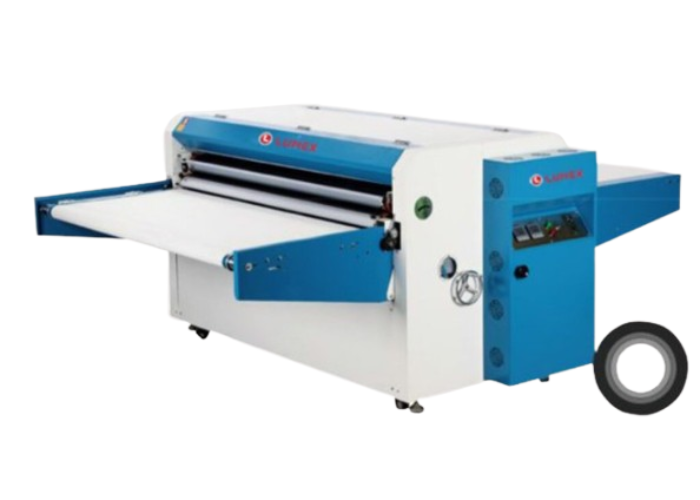
A fusing machine is specialized garment manufacturing equipment used to attach fusible interlining to fabric. Interlining provides additional structure, shape, and stability to different garment components, including collars, cuffs, waistbands, plackets, and front panels.
The machine uses a carefully controlled combination of temperature, pressure, and processing time to create a strong bond between the fabric and interlining. Proper fusing helps prevent bubbling, peeling, uneven bonding, and unwanted changes in fabric appearance.
Modern fusing machines are widely used in shirt manufacturing, trousers, jackets, uniforms, formalwear, and other apparel products where consistent finishing is essential.
Importance of Fusing Machines for Export-Quality Apparel
Export-oriented garment manufacturers must maintain strict quality standards to satisfy international buyers. Even minor defects in garment construction or finishing can affect product acceptance and customer satisfaction.
An advanced fusing machine helps manufacturers achieve consistent bonding across production batches. It supports uniform garment structure, improves the appearance of finished products, and helps maintain the intended shape of important garment components.
Reliable fusing equipment also reduces dependence on inconsistent manual methods. By standardizing processing conditions, manufacturers can improve repeatability and maintain quality throughout large production runs.
For businesses supplying international fashion brands, retailers, and wholesale buyers, consistent fusing quality can contribute to stronger product reliability and customer confidence.
Key Benefits of Advanced Fusing Machines
1. Consistent Bonding Quality
Temperature, pressure, and dwell time directly influence bonding performance. Modern fusing machines allow operators to control these parameters according to fabric and interlining requirements. Correct settings help achieve reliable adhesion and reduce the risk of garment defects.
2. Improved Production Efficiency
High-performance fusing equipment supports continuous garment production and helps streamline the preparation of fabric components. Faster, more consistent processing can reduce bottlenecks between cutting, stitching, and finishing operations.
3. Better Garment Appearance
Properly fused interlining improves the structure of collars, cuffs, waistbands, and other garment sections. This helps manufacturers achieve a cleaner, more professional appearance suitable for premium and export-quality clothing.
4. Reduced Material Waste
Incorrect temperature or pressure can damage fabric, cause poor adhesion, or require components to be reprocessed. Accurate machine settings and regular maintenance help reduce avoidable waste and improve material utilization.
5. Greater Production Consistency
An advanced fusing machine helps maintain repeatable processing conditions across multiple batches. This is particularly valuable for garment exporters handling large orders with specific buyer requirements.
Essential Features to Consider When Choosing a Fusing Machine
Selecting the right fusing machine requires careful evaluation of production needs, fabric types, and quality expectations.
Precise temperature control: Adjustable temperature settings help accommodate different fabrics and fusible interlinings while reducing the risk of heat damage.
Uniform pressure distribution: Consistent pressure supports reliable bonding across the processing area and helps minimize weak spots.
Adjustable processing time: Suitable dwell-time settings allow operators to match the bonding process to the material and interlining specifications.
Conveyor performance: Smooth and consistent conveyor movement supports controlled processing and efficient production workflows.
Energy efficiency: Efficient heating systems and appropriate operating settings can help manage electricity consumption during regular production.
Easy operation and maintenance: User-friendly controls, accessible components, and straightforward maintenance procedures help reduce downtime and support dependable performance.
Manufacturers should also consider working width, production capacity, available floor space, safety features, and after-sales technical support before purchasing equipment.
Applications Across the Textile and Clothing Industry
Fusing machines are used in various garment manufacturing applications where fabric structure and professional finishing are important.
In shirt manufacturing, they help reinforce collars, cuffs, and front plackets. In trousers, they support waistbands and other structured components. Jacket and blazer manufacturers use fusing technology to improve shape retention and garment appearance.
The equipment is also valuable for uniforms, corporate clothing, fashion apparel, and other products requiring consistent construction. Selecting suitable interlining and processing parameters is essential because different fabrics respond differently to heat and pressure.
By matching machine capabilities to product requirements, manufacturers can achieve reliable results across diverse apparel categories.
How Lunex Machine Supports Modern Garment Manufacturing
Lunex Machine focuses on machinery solutions for the textile and clothing industry, helping manufacturers improve production processes and finishing quality. When evaluating fusing equipment, businesses should consider the machine's suitability for their fabric range, daily production volume, interlining specifications, and quality objectives.
Manufacturers can explore the available fusing machine options at Lunex Machine to learn more about equipment designed for garment production applications.
Before making a purchase, it is advisable to discuss production requirements, operating conditions, installation needs, and maintenance support with the supplier. A properly selected machine can help businesses establish a more consistent and efficient fusing process.

Maintenance Tips for Long-Term Performance
Regular maintenance is essential for achieving dependable fusing results. Operators should clean conveyor surfaces according to the manufacturer's instructions and inspect heating components, belts, pressure mechanisms, and temperature controls periodically.
Temperature settings should be checked to ensure they remain accurate, while pressure and processing time should be reviewed whenever fabric or interlining specifications change. Operators should also follow safety procedures and avoid using cleaning methods that could damage machine components.
Routine inspections, timely servicing, and proper operator training help minimize unexpected downtime and extend equipment service life.
Conclusion
Fusing machines are essential equipment for garment manufacturers seeking consistent quality, efficient production, and professional finishing. By providing controlled heat, pressure, and processing time, these machines help improve interlining adhesion, maintain garment structure, and reduce avoidable production defects.
For textile businesses targeting international markets, selecting the right fusing machine can support export-quality apparel production and strengthen manufacturing consistency. Lunex Machine provides machinery solutions for businesses looking to improve their garment production capabilities. By combining suitable equipment, correct processing parameters, and regular maintenance, manufacturers can build a more reliable and productive garment manufacturing operation.


Comments
Post a Comment