How Advanced Fusing Machines Improve Interlining Bonding
Introduction
In the modern garment manufacturing industry, achieving consistent fabric quality and durable interlining bonding is essential for producing high-quality apparel. Interlining plays a significant role in maintaining the shape, structure, and appearance of garments, especially in collars, cuffs, waistbands, plackets, and front panels. However, the quality of bonding depends on several factors, including temperature, pressure, processing time, fabric compatibility, and machine performance.
Advanced fusing machines have transformed the way garment manufacturers bond interlining with fabric. These machines offer improved temperature control, consistent pressure distribution, efficient processing, and reliable bonding results. Lunex Machine provides advanced textile machinery solutions designed to support garment manufacturers in improving production efficiency and maintaining consistent finishing quality.
What Is Interlining Bonding?
Interlining bonding is the process of attaching an interlining material to the main fabric using heat, pressure, and a suitable processing time. Many fusible interlinings contain a heat-activated adhesive that creates a bond when processed under the recommended conditions.
Proper bonding helps garments maintain their shape, improves dimensional stability, and creates a professional appearance. It also supports consistent construction during subsequent sewing and finishing operations.
Incorrect bonding conditions can cause problems such as bubbling, delamination, uneven adhesion, fabric distortion, and changes in fabric appearance. Advanced fusing machines help manufacturers control these variables and achieve more dependable results.
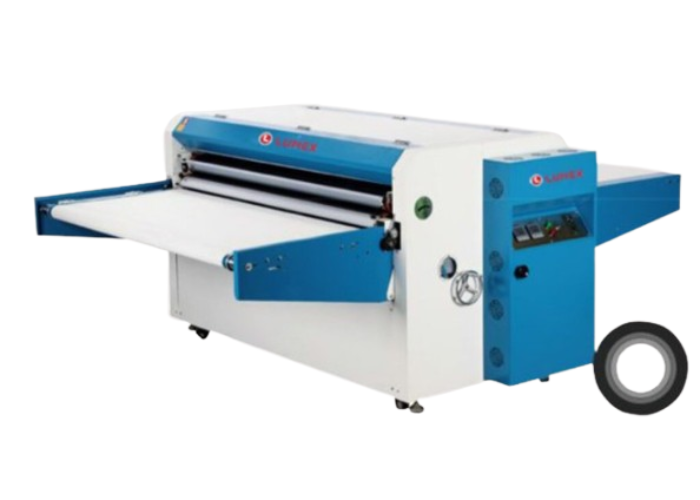
1. Precise Temperature Control for Better Bonding
Temperature is one of the most important factors in the interlining fusing process. If the temperature is too low, the adhesive may not activate properly, resulting in weak bonding. Excessive heat, on the other hand, can damage sensitive fabrics, cause discoloration, or affect the adhesive's performance.
Advanced fusing machines provide accurate temperature settings and stable heating systems to maintain suitable processing conditions. Operators can adjust the temperature according to the fabric type, interlining material, and adhesive manufacturer's recommendations.
Consistent temperature control improves bonding reliability and helps reduce defects caused by overheating or insufficient heat. This is particularly valuable for garment manufacturers working with different fabrics and interlining combinations.
2. Uniform Pressure Distribution
Pressure plays a critical role in ensuring proper contact between the fabric and interlining. Uneven pressure can result in inconsistent adhesion, with some areas bonding firmly while others remain weak.
Modern fusing machines are designed to provide more consistent pressure across the working area. Uniform pressure encourages better contact between the adhesive and the fabric, helping create a smooth and stable bond.
For manufacturers producing shirts, jackets, trousers, uniforms, and other structured garments, consistent pressure can improve finishing quality and reduce the need for repeated processing. Correct pressure settings also help protect delicate materials from unwanted marks or deformation.
3. Controlled Processing Time
The time that fabric and interlining remain under heat and pressure directly affects bonding performance. Insufficient processing time may prevent proper adhesive activation, while excessive exposure can damage materials or affect garment appearance.
Advanced fusing machines allow operators to manage processing speed and dwell time more consistently. This makes it easier to follow the recommended bonding parameters for specific materials.
Controlled processing time supports repeatable production results and helps manufacturers maintain quality across large batches. When combined with suitable temperature and pressure, it contributes to dependable interlining adhesion.
4. Improved Production Efficiency
Garment manufacturers often need to process large quantities of fabric within strict production schedules. Manual methods or outdated equipment may create bottlenecks, inconsistent results, and additional handling requirements.
Advanced fusing machines help streamline production by offering continuous processing, efficient material handling, and consistent operating performance. Depending on the machine model and production setup, these features can improve throughput and reduce unnecessary delays.
Higher production efficiency enables manufacturers to coordinate fusing operations more effectively with cutting, sewing, and garment finishing. It also helps production teams maintain a smoother workflow during high-volume orders.
5. Reduced Bonding Defects and Material Waste
Bonding defects can increase manufacturing costs through rejected panels, rework, wasted interlining, and additional inspection. Common problems include bubbling, peeling, uneven adhesion, and fabric shrinkage caused by unsuitable processing conditions.
Advanced fusing machines help minimize these risks by providing better control over essential operating parameters. When operators follow appropriate settings and use compatible fabric and interlining combinations, they can achieve more consistent results.
Reducing defects helps manufacturers use materials more efficiently and maintain production standards. Although results depend on material selection, machine settings, and operator practices, improved process control can contribute to lower waste and more predictable manufacturing costs.
6. Better Garment Shape and Appearance
Interlining is essential for maintaining the structure of many garments. It provides support to collars, cuffs, lapels, waistbands, and other areas that require a defined shape.
Consistent bonding helps these garment components retain their intended appearance during sewing, finishing, and normal use. Advanced fusing machines support this consistency by helping manufacturers apply controlled heat and pressure across the fabric surface.
Better bonding can contribute to smooth garment panels, improved shape retention, and a more professional finish. These benefits are especially important for manufacturers producing formal shirts, suits, uniforms, and premium apparel.
7. Versatility for Different Fabrics and Applications
Garment factories frequently work with cotton, polyester, blended fabrics, lightweight materials, and heavier textiles. Each material may require different fusing conditions depending on its construction and the adhesive used.
Advanced fusing machines offer adjustable operating parameters that help manufacturers process a variety of suitable fabric and interlining combinations. Selecting the correct settings is essential because a process suitable for one material may not work for another.
Before full-scale production, manufacturers should conduct bonding tests and check adhesion, appearance, shrinkage, and resistance to delamination. This approach helps establish reliable settings for each application.
8. Lower Operating Costs Through Consistent Performance
Production costs are influenced by energy consumption, labor requirements, maintenance, rework, and material waste. Advanced fusing machines may help control these expenses through efficient heating systems, reliable operation, and reduced bonding defects.
Some models offer digital controls and energy-saving features that support better process management. However, actual savings depend on machine specifications, production volume, operating practices, and maintenance schedules.
Regular cleaning, appropriate calibration, and preventive maintenance help maintain performance over time. Investing in suitable equipment can therefore support long-term productivity and more consistent garment quality.

Why Choose Lunex Machine for Fusing Solutions?
Lunex Machine focuses on textile and garment manufacturing machinery designed to support efficient production and quality finishing. Choosing the right fusing equipment requires careful consideration of fabric types, production capacity, interlining requirements, and available workspace.
Manufacturers should evaluate temperature control, pressure adjustment, conveyor performance, processing capacity, ease of operation, and maintenance requirements before selecting a machine. Matching equipment capabilities with actual production needs helps businesses achieve better results and avoid unnecessary operating expenses.
Explore fusing machine solutions from Lunex Machine at to learn more about available equipment for garment manufacturing applications.
Conclusion
Advanced fusing machines play an important role in improving interlining bonding through precise temperature control, uniform pressure, controlled processing time, and efficient material handling. These capabilities help garment manufacturers reduce bonding defects, improve fabric appearance, maintain garment structure, and support consistent production quality.
For businesses seeking to improve garment finishing and production efficiency, investing in appropriate fusing technology can provide valuable operational benefits. With suitable equipment, correct processing parameters, and regular maintenance, manufacturers can achieve reliable interlining bonding and produce garments that meet demanding quality expectations.
Lunex Machine supports garment manufacturers with textile machinery solutions designed to meet modern production requirements. Selecting the right fusing machine is a practical step toward improving bonding consistency, reducing waste, and strengthening overall manufacturing performance.


Comments
Post a Comment